When children need to travel without a parent or guardian, safety becomes the top priority for families. Many parents feel anxious about allowing their child to fly alone, especially for the first time. Understanding the airline's unaccompanied minor policy can help reduce stress and ensure a smooth travel experience.
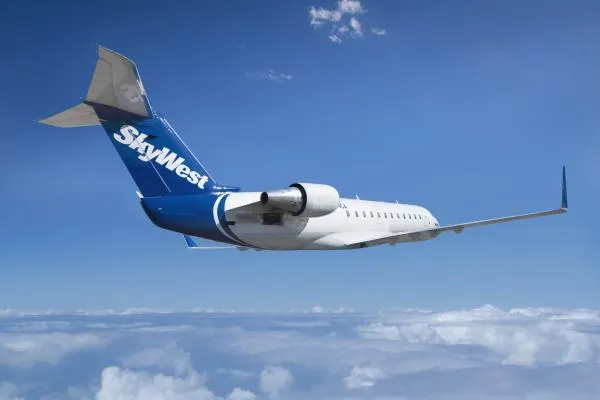
SkyWest Airlines operates regional flights on behalf of major carriers such as United Airlines, Delta Air Lines, American Airlines, and Alaska Airlines. Because SkyWest operates under these partner airlines, the rules for unaccompanied minors generally follow the policies of the marketing carrier rather than SkyWest itself.
If your child is scheduled to travel on a SkyWest-operated flight, it's important to understand how unaccompanied minor services work, what requirements must be met, and how parents can prepare for a safe journey.
This guide explains the basics of SkyWest Airlines UMNR policies and provides practical tips to help parents confidently plan their child's trip.
What Is an Unaccompanied Minor (UMNR)?
An unaccompanied minor is a child who travels without a parent, legal guardian, or eligible adult companion.
Airlines typically offer special services for these young travelers, including:
- Supervision during travel
- Assistance during boarding
- Monitoring during connections
- Escorting the child upon arrival
- Communication with authorized guardians
These services are designed to provide additional security and support throughout the child's journey.
How SkyWest Airlines Handles Unaccompanied Minors
Since SkyWest operates flights for larger airlines, the unaccompanied minor rules usually depend on the airline that issued the ticket.
For example, if your reservation is booked through:
- United Airlines
- Delta Air Lines
- American Airlines
- Alaska Airlines
the corresponding airline's UMNR policy will generally apply, even if the flight is operated by SkyWest.
Parents should always verify the specific policy with the airline listed on the ticket before travel.
Typical Age Requirements for Unaccompanied Minors
Although policies vary slightly among partner airlines, age guidelines generally fall into the following categories.
Children Ages 5 to 14
Most major airlines require children in this age group to use the unaccompanied minor service when traveling alone.
This service provides:
- Airport assistance
- Boarding support
- In-flight supervision monitoring
- Arrival coordination
Children in this age range are typically not permitted to travel independently without enrollment in the UMNR program.
Teenagers Ages 15 to 17
Older teenagers can usually travel alone without mandatory UMNR enrollment.
However, many airlines allow parents to request unaccompanied minor services for added support and peace of mind.
This optional service may be beneficial for first-time travelers or children who are unfamiliar with air travel.
Required Documentation for Child Travel
Proper documentation is essential when arranging travel for an unaccompanied minor.
Parents are commonly asked to provide:
- Child's full name
- Date of birth
- Emergency contact information
- Parent or guardian identification
- Contact details for the person meeting the child at the destination
For international travel, additional documents may include:
- Passport
- Visa (if required)
- Parental consent forms
- Destination-specific entry documentation
Keeping all paperwork organized can help prevent delays during check-in.
Unaccompanied Minor Check-In Procedures
Unlike standard passengers, unaccompanied minors typically cannot complete check-in entirely online.
Parents or guardians usually need to check the child in at the airport.
During check-in, airline representatives may:
- Verify identification
- Review travel documents
- Confirm emergency contacts
- Issue special travel paperwork
- Explain the travel process
Arriving at the airport early is highly recommended to allow enough time for these additional procedures.
Boarding and In-Flight Assistance
One of the primary benefits of the UMNR program is personalized assistance throughout the journey.
Priority Boarding
Unaccompanied minors often board before general passengers.
This allows airline personnel to:
- Introduce the child to flight attendants
- Confirm seating arrangements
- Ensure the child is comfortable before departure
During the Flight
Flight attendants monitor unaccompanied minors throughout the flight.
Although airline staff are not babysitters, they help ensure that children remain safe and comfortable during travel.
Children are encouraged to:
- Follow crew instructions
- Remain seated when required
- Ask for assistance if needed
Connecting Flights and Layovers
Parents should carefully review itineraries that involve connecting flights.
Some airlines place restrictions on:
- Connection length
- Airport locations
- Number of connections
- Last flights of the day
Direct flights are often the safest and simplest option for younger travelers.
If connections are necessary, airline personnel typically escort the child between gates and monitor the transfer process.
Arrival and Pickup Procedures
At the destination airport, unaccompanied minors are not released without verification.
The authorized adult meeting the child must generally:
- Present valid government-issued identification
- Match the information provided during booking
- Sign required release documents
Airline staff will escort the child until the receiving adult has been properly verified.
This process helps ensure the child's safety throughout the entire trip.
Tips for Parents Preparing a Child to Fly Alone
Proper preparation can significantly improve the travel experience.
Explain the Travel Process
Children feel more confident when they understand what to expect.
Review:
- Airport security procedures
- Boarding announcements
- Seatbelt requirements
- Arrival instructions
Pack Essential Items
Helpful items may include:
- Snacks
- Water bottle
- Books or tablets
- Headphones
- Emergency contact information
Entertainment can make the flight more enjoyable and reduce anxiety.
Label Personal Belongings
Clearly label luggage, backpacks, and personal items with contact information in case they become misplaced.
Keep Communication Simple
Provide your child with:
- Important phone numbers
- Flight details
- Instructions on whom to contact if assistance is needed
Common Mistakes Parents Should Avoid
Many travel issues can be prevented through careful planning.
Avoid these common mistakes:
- Waiting until the last minute to review UMNR requirements
- Forgetting identification documents
- Booking complicated itineraries with multiple connections
- Failing to provide updated emergency contact information
- Arriving late for check-in
Proper preparation helps ensure a smooth and stress-free journey.
Frequently Asked Questions
Does SkyWest Airlines have its own UMNR policy?
SkyWest generally follows the unaccompanied minor policy of the partner airline that issued the ticket.
What age can a child travel alone?
Most airlines require children ages 5 to 14 traveling alone to use the unaccompanied minor service.
Can teenagers fly without UMNR service?
In most cases, travelers aged 15 to 17 may fly independently, although optional UMNR services may be available.
Do parents need to stay at the airport after departure?
Many airlines require the accompanying adult to remain at the airport until the flight has departed.
What identification is required for pickup?
The receiving adult must typically present valid government-issued photo identification.
Conclusion
Understanding SkyWest Airlines' unaccompanied minor procedures is an important step for parents planning solo travel for their children. Because SkyWest operates flights for major carriers, the specific UMNR requirements generally depend on the airline through which the ticket is booked.
By reviewing age requirements, preparing necessary documents, choosing simple itineraries, and helping children understand the travel process, parents can significantly improve the safety and comfort of the journey. With proper planning and airline support, unaccompanied minor travel can be a positive and successful experience for both children and their families.